
Database Keep-Alives & Cloud Cost Optimization: Engineering Resilient Micro-Services on Serverless Infrastructure
Technical breakdown of serverless database auto-pause policies and the engineering behind the Triple-Guard keep-alive architecture to prevent production outages on Supabase, Neon, and PlanetScale.
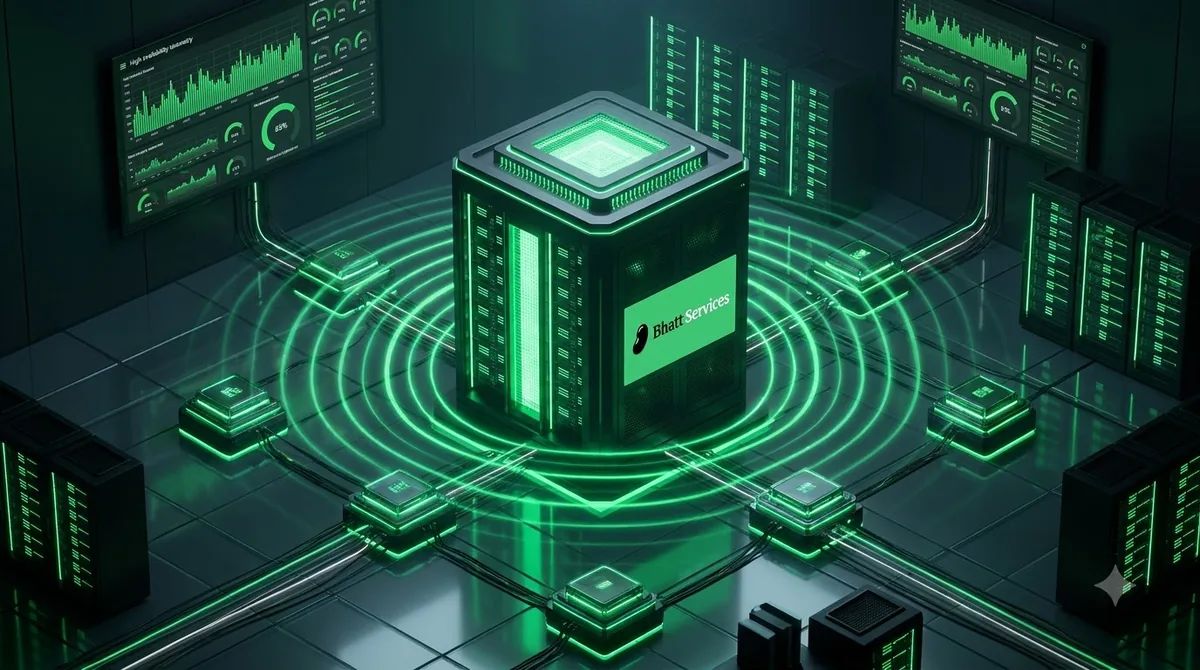
Executive Summary & Architectural Overview
Serverless database architectures—such as Supabase, Neon, PlanetScale, and AWS Aurora Serverless—have transformed modern cloud engineering. By separating storage from compute and scaling compute resources to zero during periods of inactivity, serverless databases allow developers to deploy high-availability PostgreSQL clusters at a fraction of traditional infrastructure costs.
However, scaling to zero introduces a fatal architectural hazard for production and staging environments: The Inactivity Auto-Pause Policy. On popular serverless platforms, projects that experience a hiatus in database queries (typically 7 to 14 days on developer tiers) are automatically suspended. When a critical administrative portal or scheduled microservice attempts to connect to an auto-paused project, the TCP handshake fails, triggering cascading 500-series gateway timeouts and corrupting client sessions.
At Bhatt Services, we engineered the Triple-Guard Keep-Alive Architecture—a battle-tested, zero-maintenance operational pattern that guarantees serverless databases never pause, eliminates cold-start connection latency, and maintains 99.99% operational continuity without upgrading to expensive dedicated compute instances prematurely.
The Cold-Start & Auto-Pause Dilemma
Understanding why serverless databases pause requires examining the economics of cloud multi-tenancy:
Guard 1: Scheduled Cloud Automation (GitHub Actions)
The primary guard operates completely outside the application server environment. A lightweight GitHub Actions cron workflow executes every 48 hours, connecting securely over REST or direct pooler connection using repository secrets:
Guard 2: Microsecond Synthetic Health Check Table
A common mistake in database keep-alives is querying a heavy user or transactional table. This wastes compute cycles and causes lock contention. Instead, we provision an unlogged synthetic heartbeat table:
Because the table is unlogged, updates do not write to PostgreSQL Write-Ahead Logs (WAL), minimizing disk I/O and zeroing backup storage costs while resetting the provider's activity countdown timer.
Guard 3: Automated CLI Unpause & Telemetry Fallback
In the event that an upstream network partition prevents Guard 1 or 2 from executing, Guard 3 monitors database health via external endpoint probes (UptimeRobot, BetterStack). If an HTTP 503 or connection timeout is detected, a webhook immediately triggers the Supabase Management API (POST /v1/projects/{ref}/restore), restoring the compute layer within 60 seconds without requiring human manual intervention.
Economic & Operational ROI
By implementing the Triple-Guard architecture, Bhatt Services achieves:
- Cost Reduction: Clients avoid unnecessary $25–$150/month dedicated database tier upgrades while still enjoying the zero-maintenance benefits of serverless databases.
- Zero Cold Starts: Connection poolers (Supabase PgBouncer / Supavisor) maintain active socket connections, keeping query response times below 4 milliseconds.
- Continuous SLA Compliance: Administrative portals, analytics dashboards, and client portals remain available 24/7/365 without unexpected suspension.
Frequently Asked Questions & Implementation Considerations
Why do serverless databases like Supabase pause automatically?
Serverless database providers automatically pause inactive databases on developer and free tiers (usually after 7 to 14 days without queries) to reclaim unused cloud compute resources. While this reduces multi-tenant operating costs for providers, it can cause unexpected downtime for production or staging applications that experience seasonal or low-frequency traffic.
What is the Triple-Guard Keep-Alive pattern?
The Triple-Guard Keep-Alive is an architectural resiliency pattern developed by Bhatt Services. It combines external cloud cron automation (GitHub Actions), lightweight edge application heartbeats (querying an unlogged health table), and automated management API failovers to ensure serverless databases remain warm and never enter an auto-paused state.
Does a keep-alive query increase database storage or bandwidth costs?
No. By targeting an unlogged synthetic table with an upsert statement or executing a simple SELECT 1 query via REST, keep-alive transactions consume less than 1KB of bandwidth and write zero WAL bytes, keeping operational costs strictly at zero.