
Digital Twins in Supply Chain: Predictive Simulation at Scale
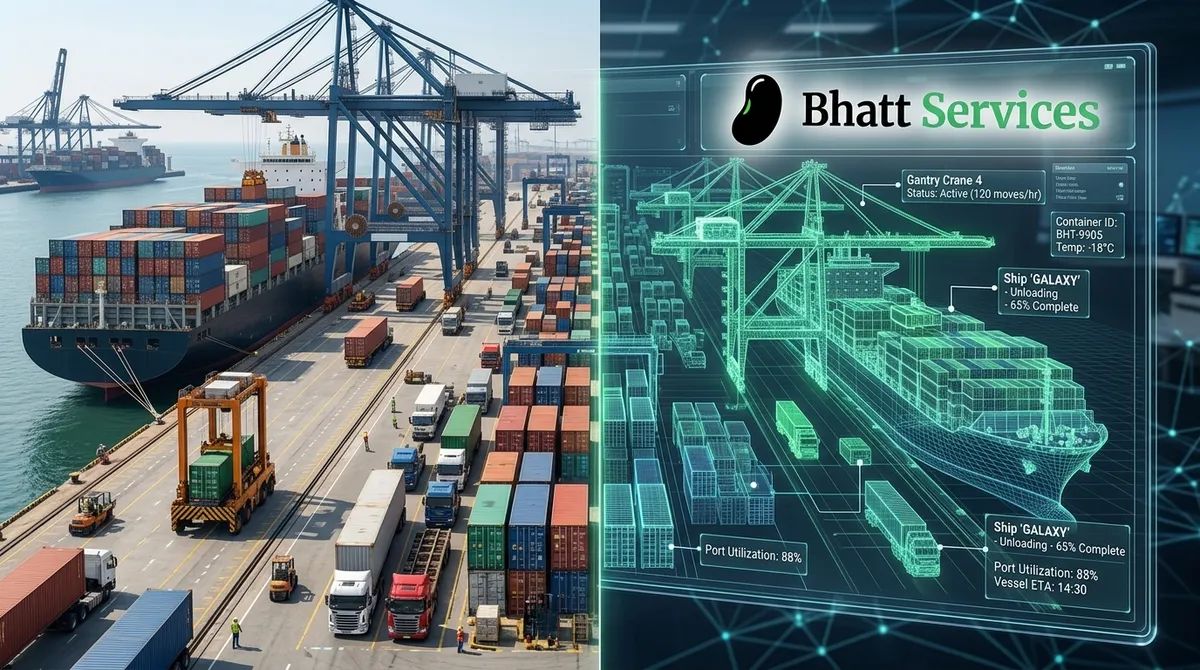
Digital Twins in Supply Chain: Predictive Simulation at Scale
The supply chain industry is on the cusp of a revolution, driven by the convergence of artificial intelligence, internet of things, and cloud computing. At the forefront of this transformation is the concept of digital twins, which are virtual replicas of physical assets, systems, and processes. In the context of supply chain management, digital twins hold immense potential to optimize operations, predict disruptions, and improve overall efficiency.
What are Digital Twins?
A digital twin is a digital representation of a physical entity, such as a product, asset, or system. It is a virtual model that mimics the behavior, characteristics, and performance of its physical counterpart. Digital twins are created using real-time data from sensors, IoT devices, and other sources, which are then used to simulate the behavior of the physical entity under various conditions. This allows organizations to test, analyze, and optimize the performance of their assets and systems in a virtual environment, reducing the need for physical prototypes and minimizing the risk of errors.
Applications of Digital Twins in Supply Chain
Digital twins have a wide range of applications in supply chain management, including predictive maintenance, quality control, and inventory management. For instance, a digital twin of a manufacturing facility can be used to simulate the production process, identify potential bottlenecks, and optimize production schedules. Similarly, a digital twin of a logistics network can be used to simulate the movement of goods, predict delays, and optimize routing and scheduling.
Predictive Simulation at Scale
One of the key benefits of digital twins in supply chain management is the ability to perform predictive simulation at scale. This involves using advanced algorithms and machine learning techniques to simulate the behavior of complex systems and predict potential disruptions. By analyzing large datasets and identifying patterns, digital twins can predict equipment failures, supply chain disruptions, and other events that could impact operations. This enables organizations to take proactive measures to mitigate risks and optimize their supply chain operations.
Benefits of Digital Twins in Supply Chain
The benefits of digital twins in supply chain management are numerous. They include improved operational efficiency, reduced costs, and enhanced customer satisfaction. Digital twins also enable organizations to respond quickly to changes in the market, reduce the risk of supply chain disruptions, and improve their overall competitiveness. Additionally, digital twins provide a platform for collaboration and innovation, enabling organizations to work together with their suppliers, partners, and customers to create new products and services.
Implementing Digital Twins in Supply Chain
Implementing digital twins in supply chain management requires a structured approach. The first step is to identify the assets, systems, and processes that need to be digitized. The next step is to collect and integrate data from various sources, including sensors, IoT devices, and enterprise systems. The data is then used to create a digital twin, which is validated and calibrated to ensure accuracy. The digital twin is then used to simulate the behavior of the physical entity, predict potential disruptions, and optimize operations.
Conclusion
In conclusion, digital twins have the potential to revolutionize the supply chain industry by providing a platform for predictive simulation, optimization, and innovation. By leveraging digital twins, organizations can improve their operational efficiency, reduce costs, and enhance customer satisfaction. As the technology continues to evolve, we can expect to see widespread adoption of digital twins in supply chain management, leading to a more efficient, agile, and responsive supply chain.