
Spatial Computing in Enterprise: Beyond the Apple Vision Pro
Spatial Computing in Enterprise: Beyond the Apple Vision Pro
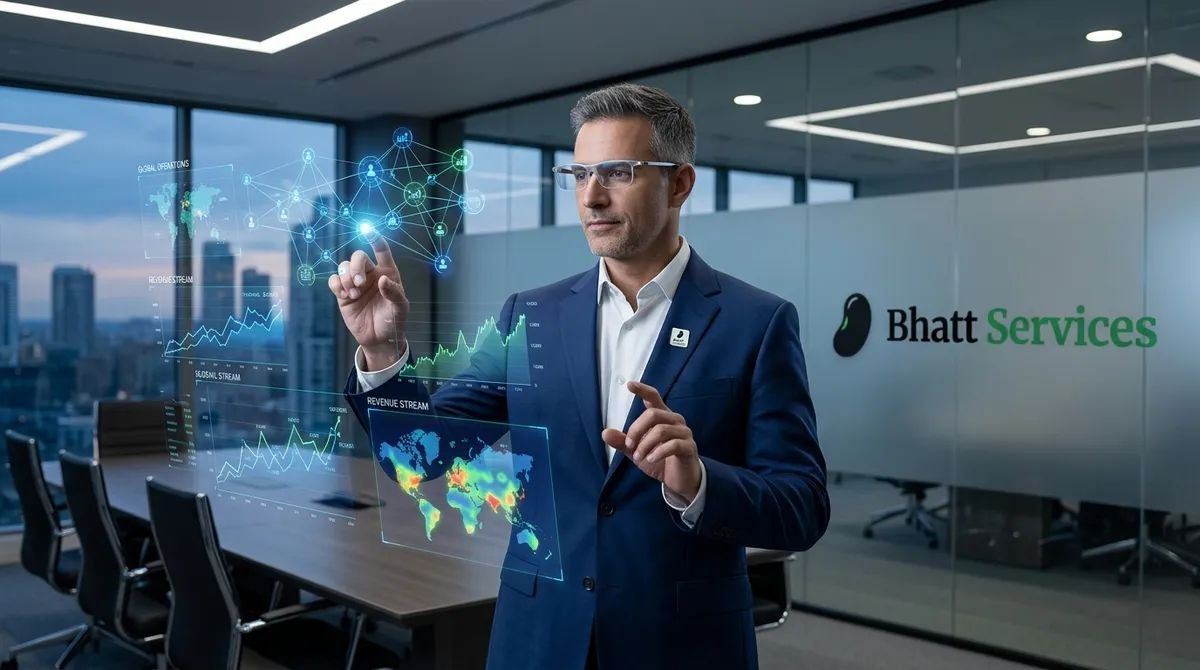
The recent unveiling of the Apple Vision Pro has sent shockwaves throughout the tech industry, with many experts hailing it as a revolutionary step forward in the field of spatial computing. However, as innovative as this device may be, it is essential to recognize that spatial computing has far broader implications for the enterprise sector, extending beyond the realm of consumer-facing gadgets.
What is Spatial Computing?
Spatial computing refers to the use of technologies that enable computers to understand and interact with the physical world in a more nuanced and sophisticated manner. This can include a wide range of applications, from augmented reality (AR) and virtual reality (VR) to the Internet of Things (IoT) and artificial intelligence (AI). By leveraging these technologies, organizations can create more immersive, interactive, and contextually aware computing experiences that blur the boundaries between the physical and digital realms.
Enterprise Applications of Spatial Computing
The potential applications of spatial computing in the enterprise sector are vast and varied, encompassing areas such as remote collaboration, training and simulation, data visualization, and smart spaces. For instance, companies like Boeing and Lockheed Martin are already using spatial computing to enhance their design and manufacturing processes, while retailers like Walmart and IKEA are leveraging AR to create more engaging and interactive customer experiences.
Beyond the Hype: Overcoming the Challenges of Spatial Computing
While the potential benefits of spatial computing are undeniable, there are also significant challenges that must be addressed in order to realize its full potential. These include issues related to data privacy and security, the need for more advanced and standardized hardware and software platforms, and the requirement for new skills and training programs to support the development and deployment of spatial computing applications. Furthermore, organizations must also contend with the complexities of integrating spatial computing with existing IT systems and infrastructure, which can be a daunting task, especially for those with legacy systems.
The Role of AI in Spatial Computing
Artificial intelligence plays a critical role in spatial computing, as it enables computers to interpret and understand the vast amounts of data generated by sensors, cameras, and other devices. By leveraging machine learning algorithms and computer vision techniques, organizations can create more sophisticated and contextually aware spatial computing applications that can learn and adapt over time. For example, AI-powered spatial computing can be used to track the movement of people and objects, recognize patterns and anomalies, and make predictions about future events and behaviors.
Real-World Examples of Spatial Computing in Action
There are already many examples of spatial computing in action, from the use of AR to enhance customer experiences in retail and hospitality, to the deployment of VR for training and simulation in industries such as healthcare and aerospace. For instance, the company Accenture has developed an AR-powered platform that enables employees to access critical information and instructions in real-time, while the University of California, Los Angeles (UCLA) has created a VR-based training program for surgeons that simulates complex surgical procedures.
Conclusion: The Future of Spatial Computing in Enterprise
As the technology continues to evolve and mature, we can expect to see even more innovative applications of spatial computing in the enterprise sector. From enhancing customer experiences and improving operational efficiency, to enabling new forms of remote collaboration and training, the potential benefits of spatial computing are vast and far-reaching. At Bhatt Services, we are committed to helping organizations navigate the complex and rapidly evolving landscape of spatial computing, and to unlocking its full potential for business transformation and growth.