
Synthetic Data Generation: Bypassing the Data Privacy Bottleneck
Synthetic Data Generation: Bypassing the Data Privacy Bottleneck
In today's data-driven world, organizations are constantly seeking ways to harness the power of data to drive innovation, improve decision-making, and gain a competitive edge. However, the increasing concern over data privacy has created a significant bottleneck for companies looking to leverage data for business growth. This is where synthetic data generation comes into play, offering a revolutionary solution to bypass the data privacy bottleneck and unlock the full potential of data.
The Data Privacy Conundrum
The rapid growth of data collection and usage has led to a surge in data privacy concerns. With the introduction of stringent regulations such as the General Data Protection Regulation (GDPR) and the California Consumer Privacy Act (CCPA), organizations are now faced with the daunting task of ensuring the privacy and security of sensitive data. The challenge lies in balancing the need for data-driven insights with the requirement to protect individual privacy, making it a complex and time-consuming process to collect, process, and share data.
What is Synthetic Data Generation?
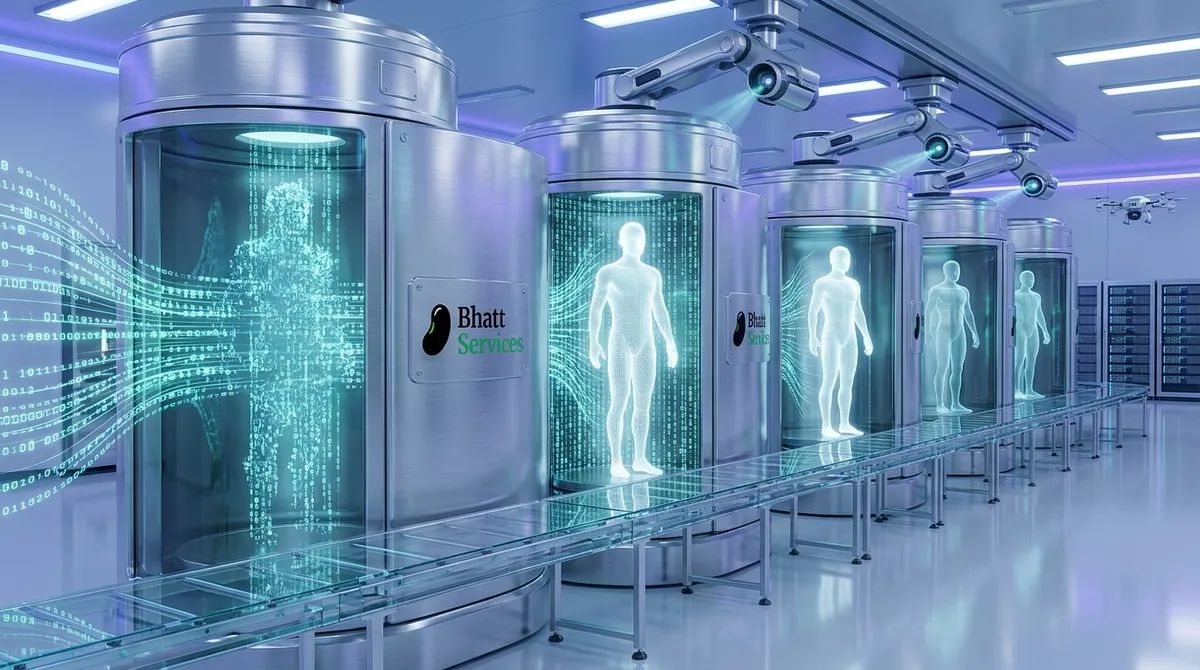
Synthetic data generation is a cutting-edge technology that involves creating artificial data that mimics the characteristics of real data. This is achieved through advanced algorithms and machine learning techniques that analyze the patterns and structures of real data, generating new data that is statistically similar but not identical. The resulting synthetic data can be used for a variety of purposes, including testing, training, and validation of AI models, data analytics, and business intelligence.
Benefits of Synthetic Data Generation
The benefits of synthetic data generation are numerous. Firstly, it enables organizations to bypass the data privacy bottleneck, allowing them to generate data that is similar to real data but does not contain any sensitive information. This reduces the risk of data breaches and non-compliance with data protection regulations. Secondly, synthetic data can be generated quickly and efficiently, reducing the time and cost associated with data collection and processing. Additionally, synthetic data can be customized to meet specific requirements, such as generating data for rare or edge cases, which can be difficult to obtain with real data.
Use Cases for Synthetic Data Generation
Synthetic data generation has a wide range of applications across various industries. In healthcare, synthetic data can be used to generate realistic patient data for clinical trials, reducing the risk of patient identification and improving the accuracy of medical research. In finance, synthetic data can be used to generate financial transactions for testing and training AI models, reducing the risk of data breaches and improving the security of financial systems. In retail, synthetic data can be used to generate customer data for personalization and recommendation systems, improving the customer experience and driving business growth.
Challenges and Limitations of Synthetic Data Generation
While synthetic data generation offers numerous benefits, it also presents several challenges and limitations. One of the main challenges is ensuring the quality and accuracy of synthetic data, which can be difficult to achieve, especially for complex data sets. Additionally, synthetic data generation requires significant expertise in machine learning and data science, which can be a barrier for organizations with limited resources. Furthermore, synthetic data may not always capture the nuances and complexities of real data, which can affect the accuracy of models and insights.
Future of Synthetic Data Generation
The future of synthetic data generation is promising, with ongoing research and development aimed at improving the quality, accuracy, and efficiency of synthetic data. As AI and machine learning technologies continue to evolve, we can expect to see significant advancements in synthetic data generation, enabling organizations to generate high-quality synthetic data that is indistinguishable from real data. This will unlock new possibilities for data-driven innovation, improving business outcomes and driving growth in various industries.
In conclusion, synthetic data generation is a game-changer for organizations looking to bypass the data privacy bottleneck and unlock the full potential of data. With its numerous benefits, wide range of applications, and promising future, synthetic data generation is set to revolutionize the way we work with data, enabling us to drive innovation, improve decision-making, and achieve business success.