
The Convergence of IoT and Blockchain for Immutable Logistics
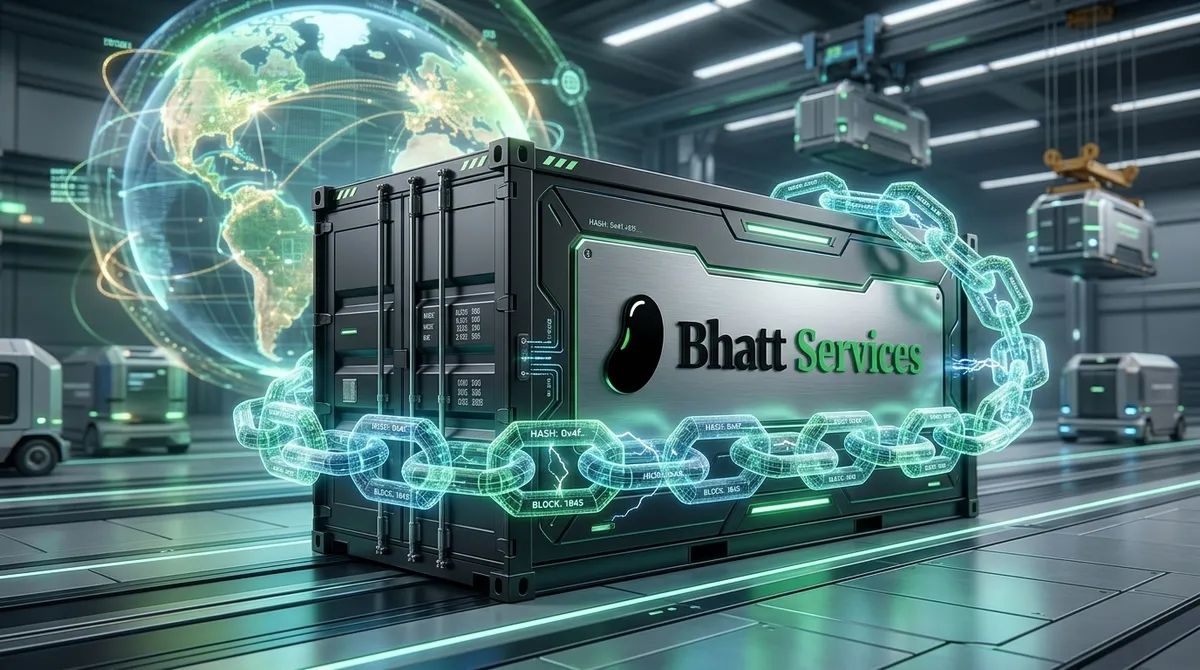
The Convergence of IoT and Blockchain for Immutable Logistics
The integration of Internet of Things (IoT) and blockchain technology is revolutionizing the logistics industry by providing a secure, transparent, and efficient way to track and manage goods throughout the supply chain. At Bhatt Services, we are at the forefront of this innovation, harnessing the power of AI-first solutions to drive business growth and competitiveness.
Introduction to IoT and Blockchain
IoT refers to the network of physical devices, vehicles, home appliances, and other items that are embedded with sensors, software, and connectivity, allowing them to collect and exchange data. Blockchain, on the other hand, is a decentralized, distributed ledger technology that enables secure, transparent, and tamper-proof data storage and transfer. The convergence of these two technologies has the potential to create a robust and immutable logistics system.
Benefits of IoT and Blockchain Convergence
The integration of IoT and blockchain offers several benefits, including enhanced security, increased transparency, improved supply chain visibility, and reduced counterfeiting. With IoT devices tracking goods in real-time, and blockchain providing a tamper-proof record of all transactions, logistics companies can ensure that their goods are handled and transported securely and efficiently. Additionally, the use of smart contracts can automate payment processes and reduce the need for intermediaries.
Use Cases for IoT and Blockchain in Logistics
There are several use cases for the convergence of IoT and blockchain in logistics, including track and trace, inventory management, and condition monitoring. For example, IoT sensors can be used to track the location and condition of goods in real-time, while blockchain can provide a secure and transparent record of all transactions. This can help to reduce losses due to theft or damage, and improve the overall efficiency of the supply chain.
Challenges and Limitations
While the convergence of IoT and blockchain has the potential to revolutionize the logistics industry, there are several challenges and limitations that need to be addressed. These include the high cost of implementation, the need for standardization, and the potential for scalability issues. Additionally, there are concerns around data privacy and security, as well as the need for regulatory frameworks to support the adoption of these technologies.
Future Directions
As the convergence of IoT and blockchain continues to evolve, we can expect to see new and innovative applications in the logistics industry. For example, the use of artificial intelligence and machine learning can help to improve the accuracy and efficiency of supply chain management, while the integration of other technologies such as 5G and edge computing can help to enable real-time tracking and monitoring. At Bhatt Services, we are committed to staying at the forefront of these developments, and to helping our clients navigate the complex and rapidly changing landscape of logistics and supply chain management.
Conclusion
In conclusion, the convergence of IoT and blockchain has the potential to transform the logistics industry by providing a secure, transparent, and efficient way to track and manage goods throughout the supply chain. While there are challenges and limitations that need to be addressed, the benefits of this technology are clear, and we can expect to see significant adoption and innovation in the coming years. At Bhatt Services, we are excited to be a part of this journey, and to be helping our clients to harness the power of AI-first solutions to drive business growth and competitiveness.