
The Impact of 6G on IoT and Real-Time Telemetry
The Impact of 6G on IoT and Real-Time Telemetry
The advent of 6G technology is poised to revolutionize the way we interact with the Internet of Things (IoT) and real-time telemetry. As a significant upgrade to the current 5G network, 6G promises to deliver unparalleled speeds, lower latency, and greater connectivity. In this blog post, we will delve into the impact of 6G on IoT and real-time telemetry, exploring the benefits, challenges, and potential applications of this emerging technology.
Introduction to 6G
6G, or sixth-generation wireless, is a wireless networking technology that is currently in the research and development phase. It is expected to offer data transfer rates of up to 1 Tbps (terabit per second), which is significantly faster than the 20 Gbps (gigabit per second) offered by 5G. Additionally, 6G is predicted to have a latency of less than 1 ms (millisecond), making it ideal for real-time applications such as remote healthcare, autonomous vehicles, and smart cities.
Impact on IoT
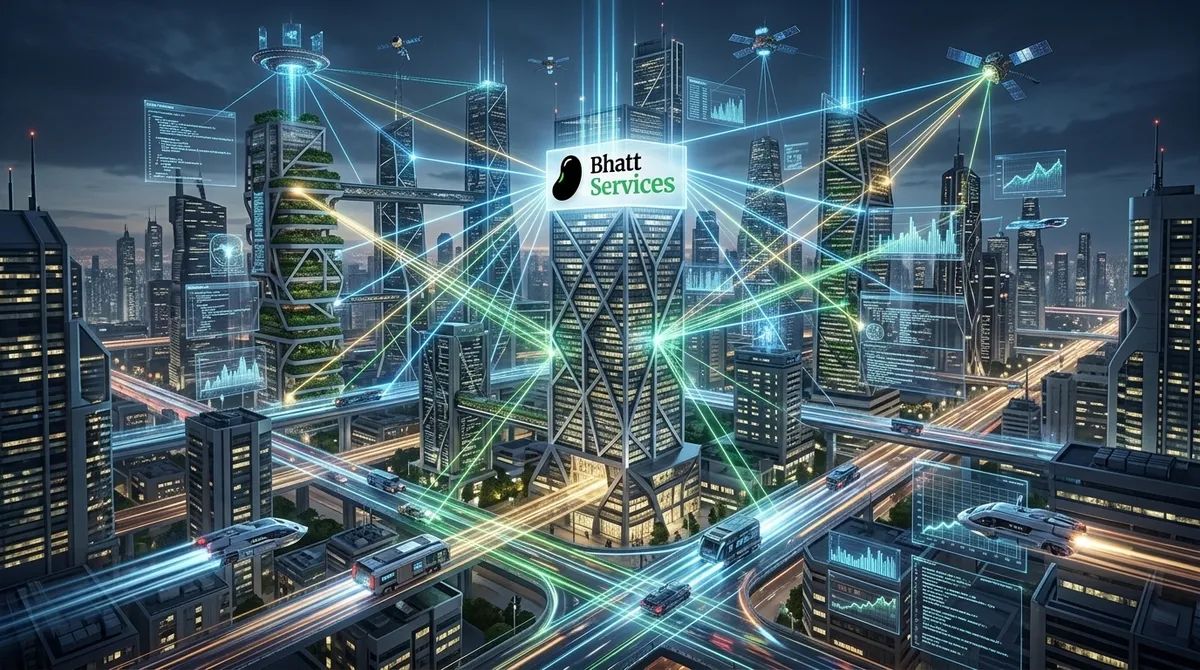
The impact of 6G on IoT will be significant, as it will enable the connection of a vast number of devices, sensors, and actuators. With 6G, IoT devices will be able to communicate with each other in real-time, enabling the creation of complex, autonomous systems. For example, in a smart city, 6G-enabled IoT devices will be able to monitor and manage traffic flow, energy usage, and waste management, making cities more efficient, sustainable, and livable.
Real-Time Telemetry
6G will also have a profound impact on real-time telemetry, which involves the transmission of data from sensors and devices in real-time. With 6G, real-time telemetry will become even more accurate and reliable, enabling the creation of complex, data-driven applications. For example, in the field of predictive maintenance, 6G-enabled real-time telemetry will enable the monitoring of equipment and machinery in real-time, allowing for the prediction of failures and the scheduling of maintenance, reducing downtime and increasing overall efficiency.
Benefits of 6G for IoT and Real-Time Telemetry
The benefits of 6G for IoT and real-time telemetry are numerous. Some of the key benefits include increased speed and lower latency, enabling the creation of complex, autonomous systems. Additionally, 6G will enable the connection of a vast number of devices, sensors, and actuators, making it ideal for applications such as smart cities, industrial automation, and healthcare. Furthermore, 6G will provide enhanced security and reliability, making it suitable for critical applications such as autonomous vehicles and remote healthcare.
Challenges and Limitations
While 6G holds great promise for IoT and real-time telemetry, there are also several challenges and limitations that need to be addressed. One of the key challenges is the development of 6G infrastructure, which will require significant investment and deployment of new technologies. Additionally, 6G will require the development of new devices and sensors that are capable of operating at the high frequencies and data transfer rates offered by 6G. Furthermore, 6G will also require the development of new security protocols and standards to ensure the secure transmission of data.
Conclusion
In conclusion, the impact of 6G on IoT and real-time telemetry will be significant, enabling the creation of complex, autonomous systems and applications. While there are several challenges and limitations that need to be addressed, the benefits of 6G for IoT and real-time telemetry are numerous, including increased speed and lower latency, enhanced security and reliability, and the ability to connect a vast number of devices, sensors, and actuators. As 6G technology continues to evolve and develop, it is expected to have a profound impact on a wide range of industries and applications, from smart cities and industrial automation to healthcare and autonomous vehicles.